Baijnath, Uttarakhand
Baijnath Temple Complex: A Spectacular Cluster of Ancient Temples and Shrines in Uttarakhand's Kumaon Region
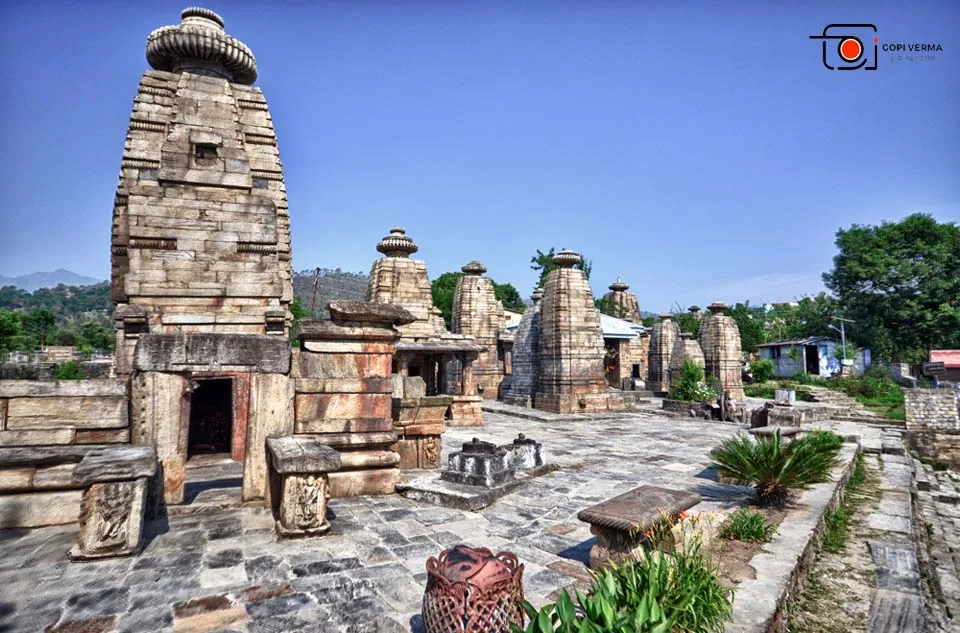
The Baijnath Temple Complex in Bageshwar, Uttarakhand is a cluster of 18 Hindu temples. The complex is located on the banks of the Gomti River is a popular destination for both spiritual and nature tourism. The serene and tranquil surroundings of the complex, coupled with its rich historical and cultural significance, make it a must-visit destination for anyone traveling to the region.
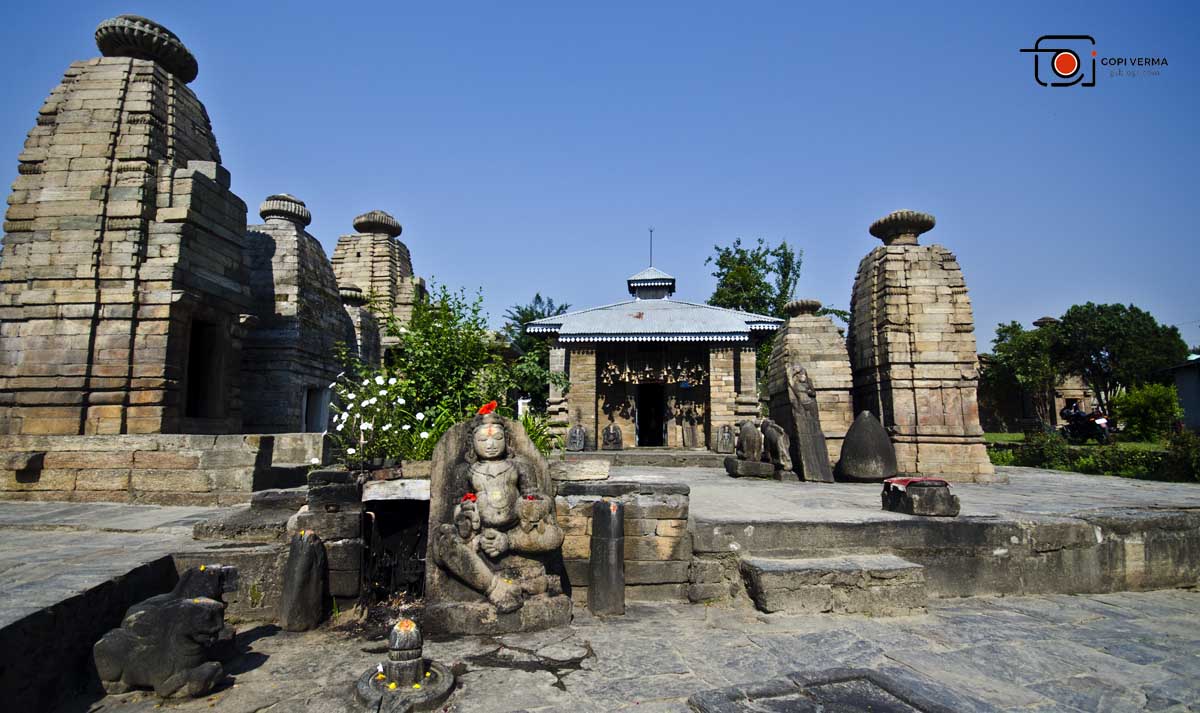
The main temple in the complex is dedicated to Lord Shiva and is known as the Baijnath Temple. It is believed to have been built during the 12th century AD by the Katyuri kings of the region. The temple is known for its intricate carvings and sculptures, which reflect the exquisite craftsmanship of the artisans of that era.
The Baijnath Temple complex in Uttarakhand houses several deities, including the principal deity Lord Shiva in the form of Vaidyanath, which means "the Lord of physicians" or "the God of healing". In addition to Lord Shiva, there are shrines dedicated to various other Hindu gods and goddesses such as Parvati, Nritya Ganapati, Karttikeya, Narsimha, Brahma, Mahishasurmardini, Sapta Nartikas, Surya, Garuda, and Kubera.
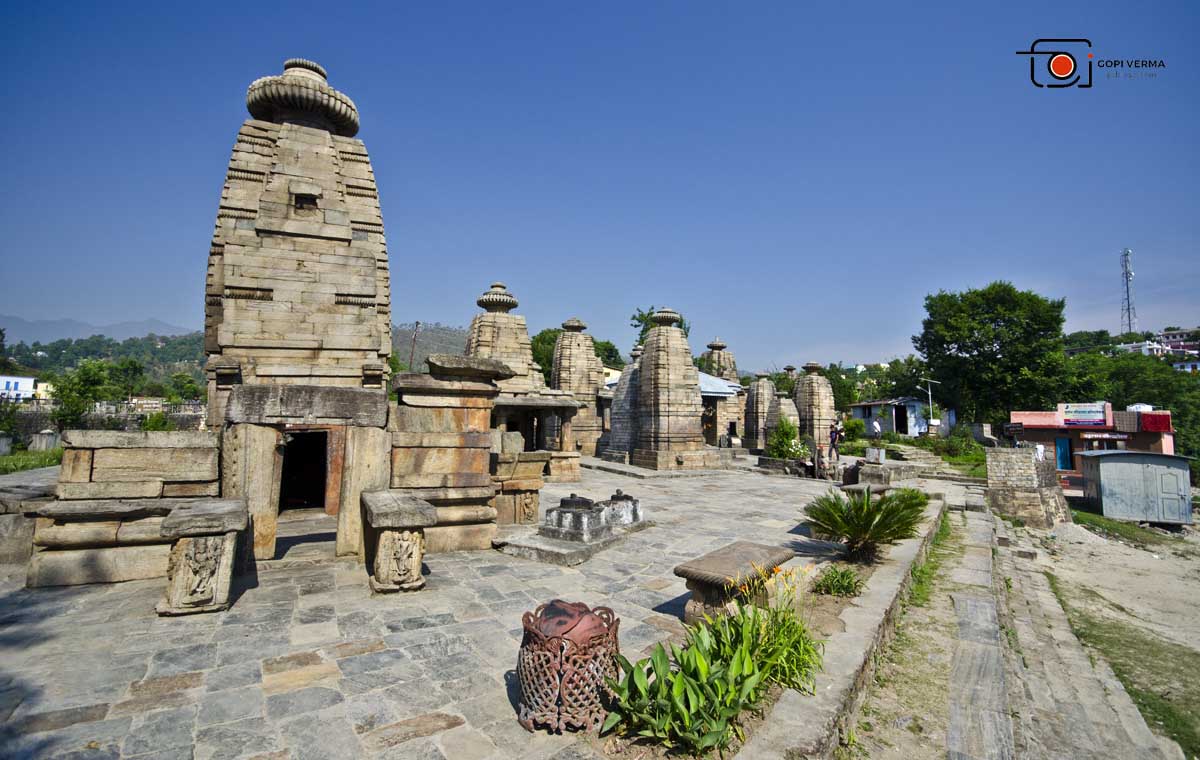
Parvati is the consort of Lord Shiva and is revered as the goddess of fertility, love, and devotion. Nritya Ganapati is one of the 32 forms of Lord Ganesha and is depicted as the Lord of Dance. Karttikeya, also known as Skanda or Murugan, is the son of Lord Shiva and Parvati and is revered as the god of war, victory, and wisdom.
Narsimha is one of the avatars of Lord Vishnu, depicted as a half-man and half-lion. Brahma is one of the Trinity in Hinduism and is revered as the creator of the universe. Mahishasurmardini is another form of goddess Durga, who is believed to have defeated the demon Mahishasura.
Sapta Nartikas are seven dancers representing the seven celestial nymphs. Surya is the god of the sun and is believed to be the source of all life on earth. Garuda is the bird deity and the mount of Lord Vishnu. Kubera is the god of wealth and prosperity.
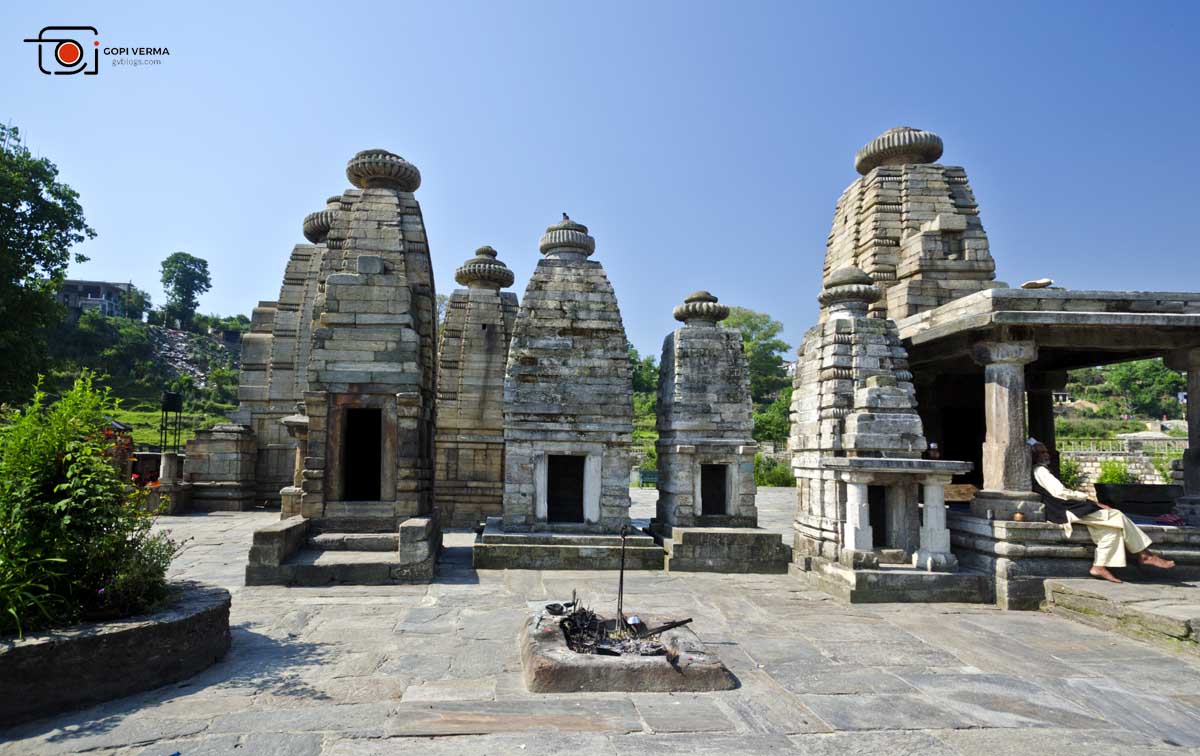
Baijnath temple celebrates various festivals throughout the year, but the most important one is Mahashivratri. During this festival, devotees visit the temple to offer prayers to Lord Shiva. The festival is celebrated with great enthusiasm.
Apart from the Baijnath temple, there are several other attractions located in the vicinity that visitors can explore. The most popular one is the Kausani, a picturesque hill station located in the Bageshwar district of Uttarakhand, India. It is known for its stunning panoramic views of the Himalayan mountain range, including peaks like Nanda Devi and Trishul. The town is surrounded by lush green forests and offers a serene and peaceful environment for tourists to unwind and relax. Kausani is also famous for its tea gardens and is often referred to as the 'Switzerland of India' due to its scenic beauty. It is a popular destination for nature lovers.
Another popular attraction is the Bagnath Temple in Bageshwar, which is about 30 kilometers away from the temple. This temple is dedicated to Lord Shiva and some sources believed the existence of Bagnath temple since 7th Century. The present building is believed to be built in 1450 by Chand ruler.
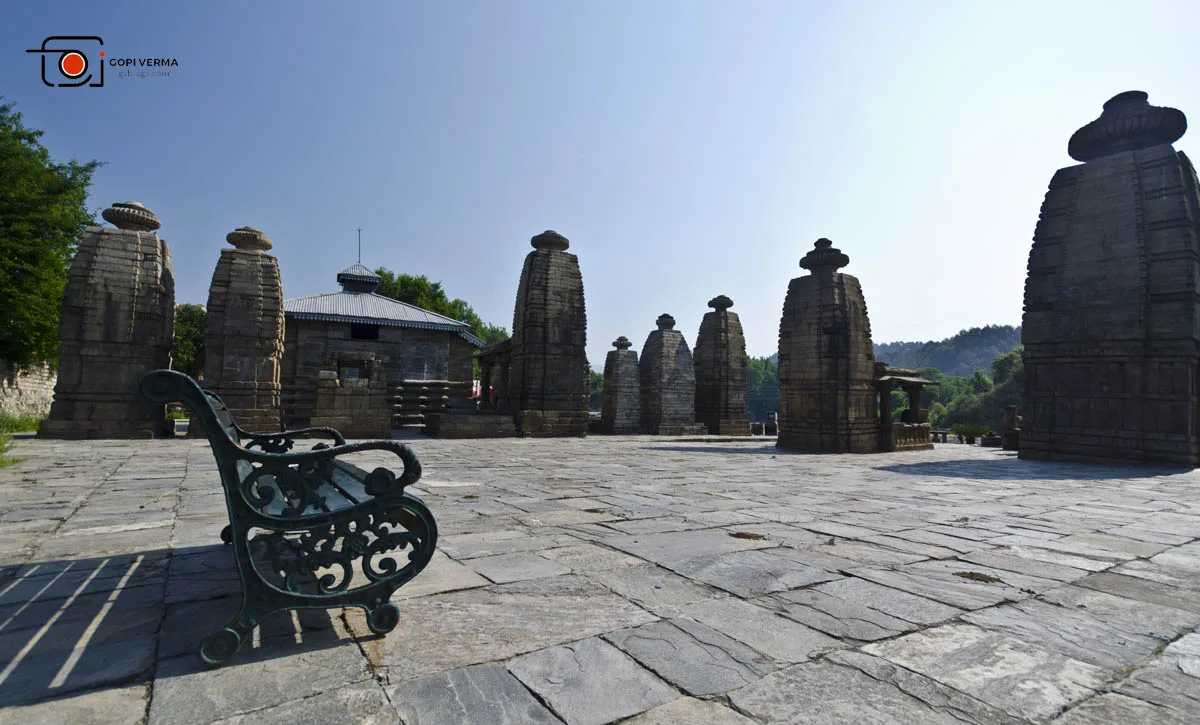
If you're planning to visit Uttarakhand, don't miss the chance to explore the ancient Baijnath Temple located in the Bageshwar district.
How to reach the temple
The Baijnath temple is well connected by road and is situated 16 km from Kausani, 26 km from Bageshwar, and 142 km from Nainital. The nearest railway station is Kathgodam, which is 146 km away from the temple. The best time to visit the temple is from March to June and September to November.