Roopkund, Uttarakhand
Roopkund: Exploring the Mysterious Lake in the Himalayas
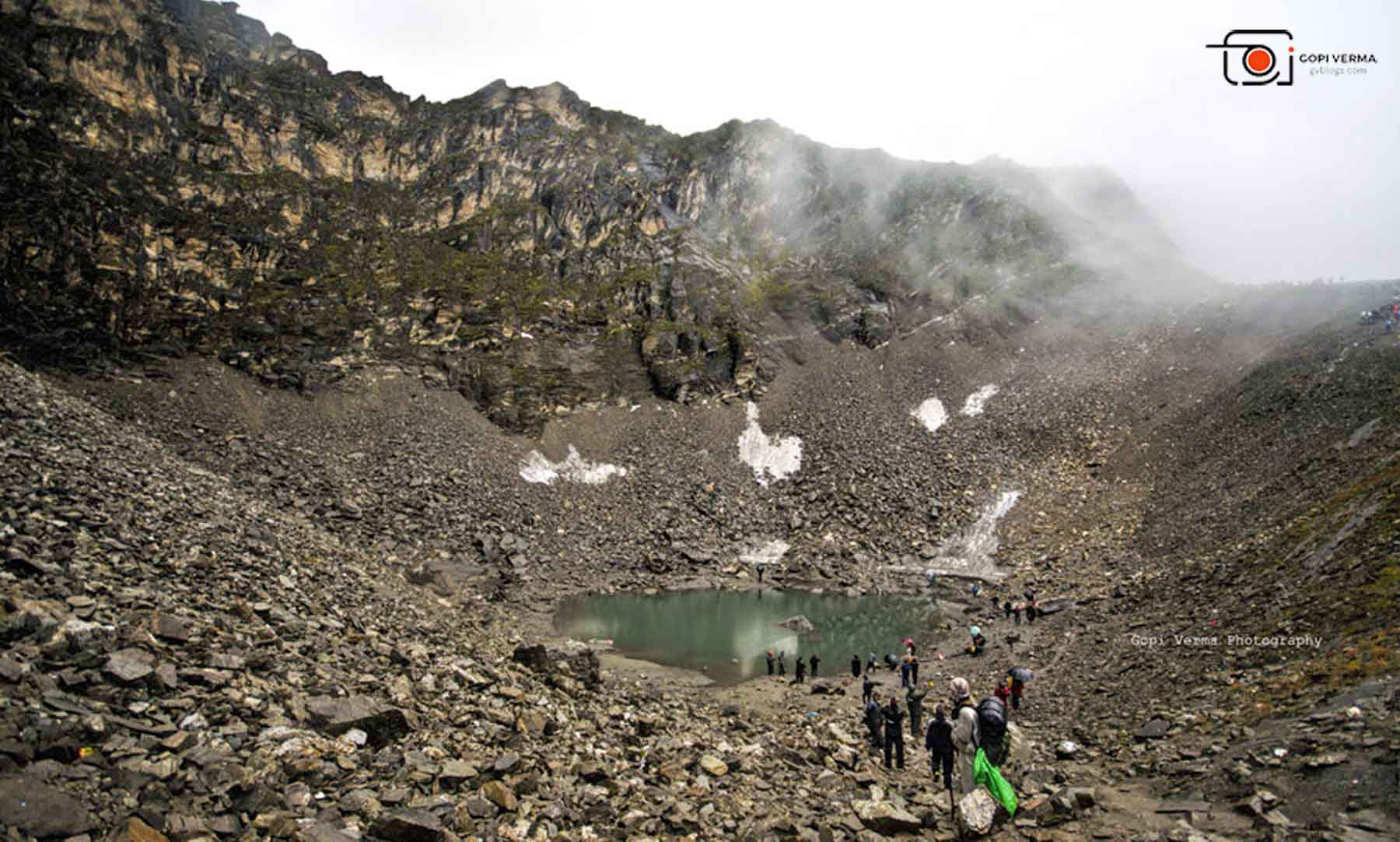
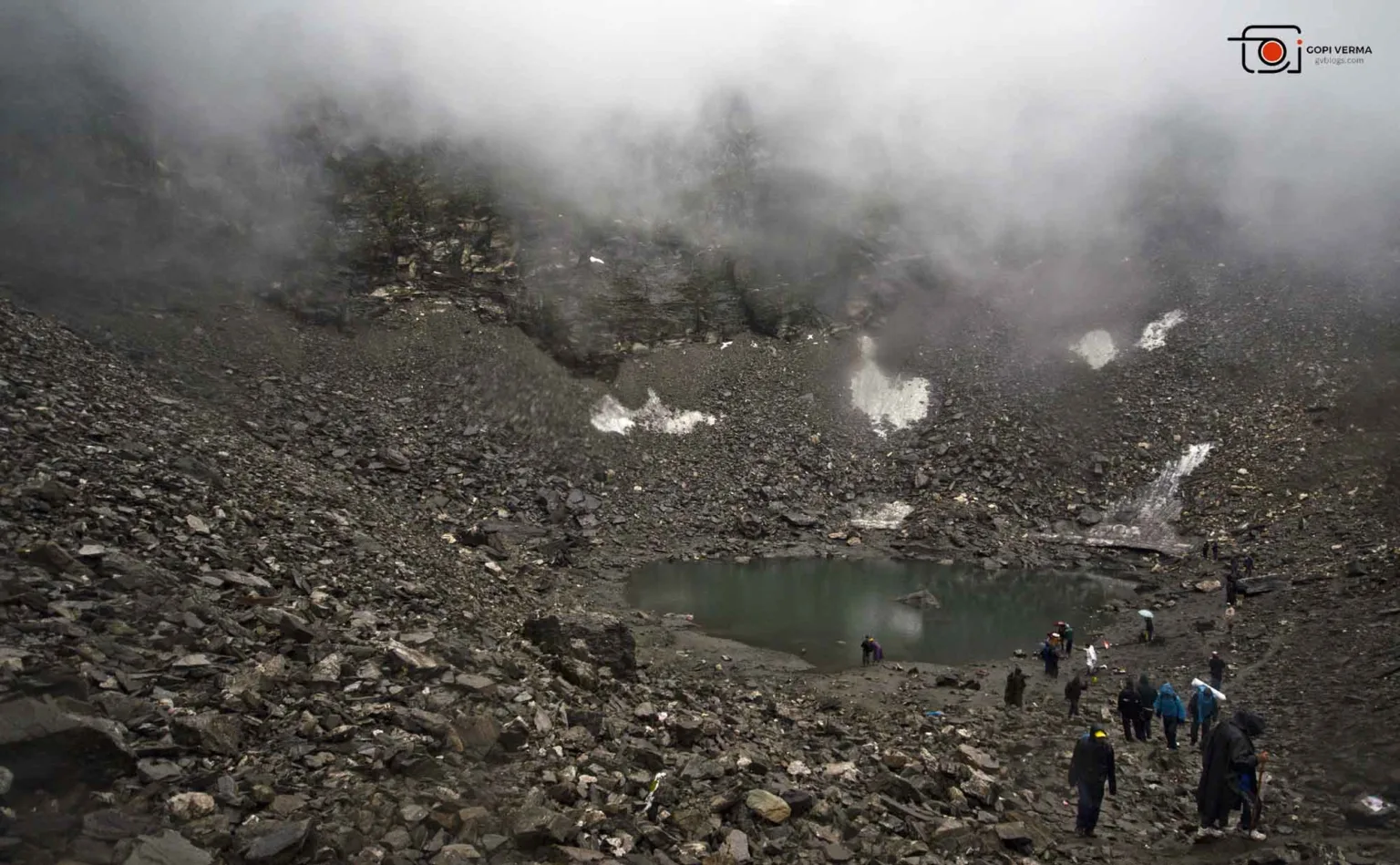
Roopkund is a glacial lake located in the Chamoli district of Uttarakhand, India. It is situated at an altitude of approximately 16,500 feet in the lap of the majestic Trishul massif of the Himalayas. The lake is also known as the "Mystery Lake" or "Skeleton Lake" due to the human skeletal remains found at its bottom.
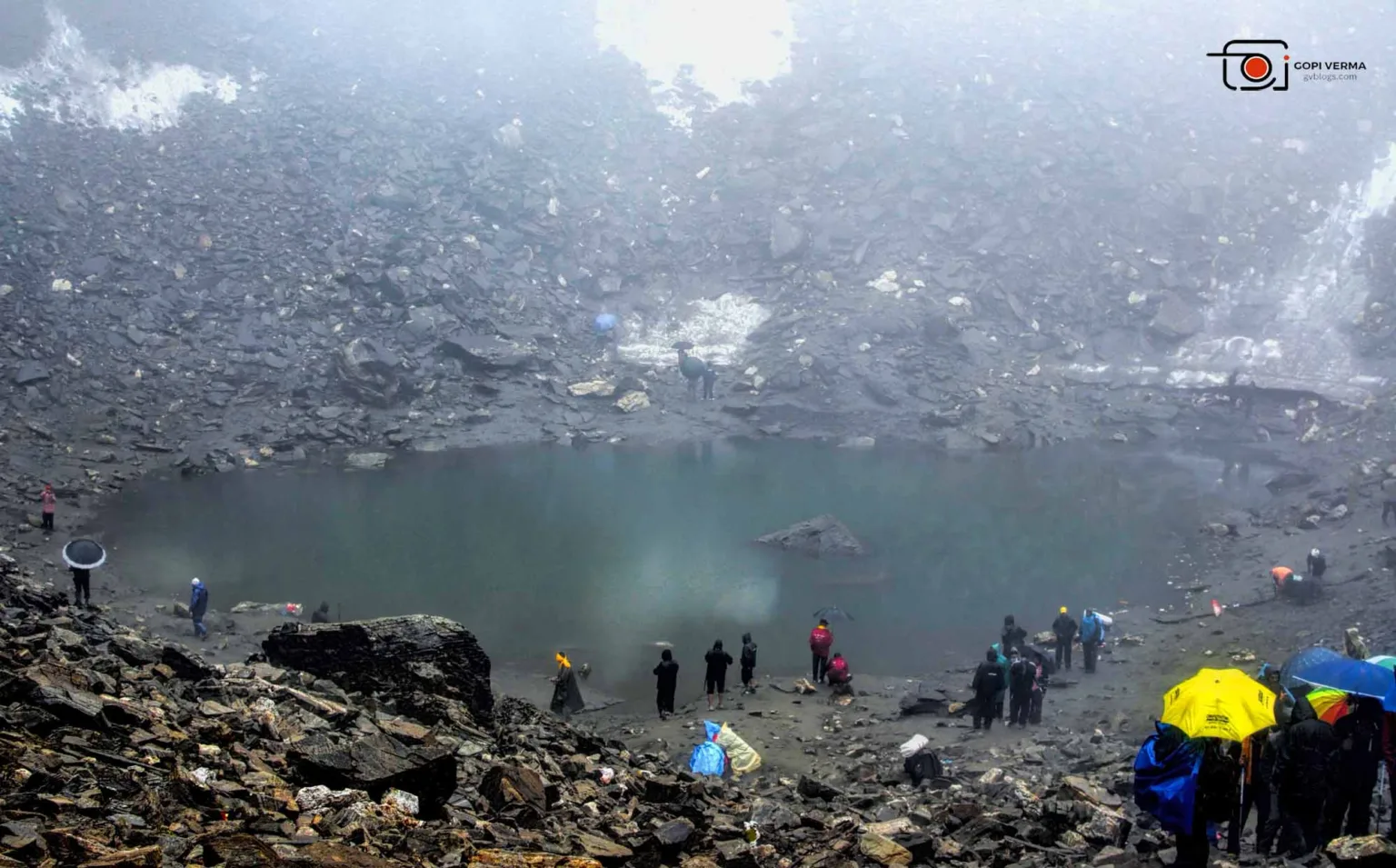
Roopkund is also known for the legends and myths surrounding it. According to the local folklore, the lake was created by the gods and is considered sacred. The lake is also associated with the Nanda Devi Raj Jat Yatra, an important pilgrimage that takes place once every twelve years. The trek to Roopkund offers a glimpse into the rich cultural heritage and natural beauty of the region.
Local legend says that the King of Kanauj, Raja Jasdhaval, with his pregnant wife, Rani Balampa, their servants, and a dance troupe, were traveling to Nanda Devi shrine. During their journey, they decided to take a break at Roopkund. It is said that they were accompanied by a troupe of dancers who were performing a dance. However, the local goddess, Nanda Devi, was not pleased with their performance, and as a result, a severe hailstorm broke out, killing all of them.
According to this legend, the skeletons found at Roopkund belong to Raja Jasdhaval, Rani Balampa, their servants, and the dance troupe. While this theory cannot be confirmed, it adds to the mystery and intrigue of the Roopkund skeletons.
The legend of Raja Jasdhaval and Rani Balampa is just one of the many stories associated with Roopkund. The mystery surrounding the skeletons and their origin continues to fascinate people, and researchers and scientists are still trying to uncover the truth behind this enigmatic site.
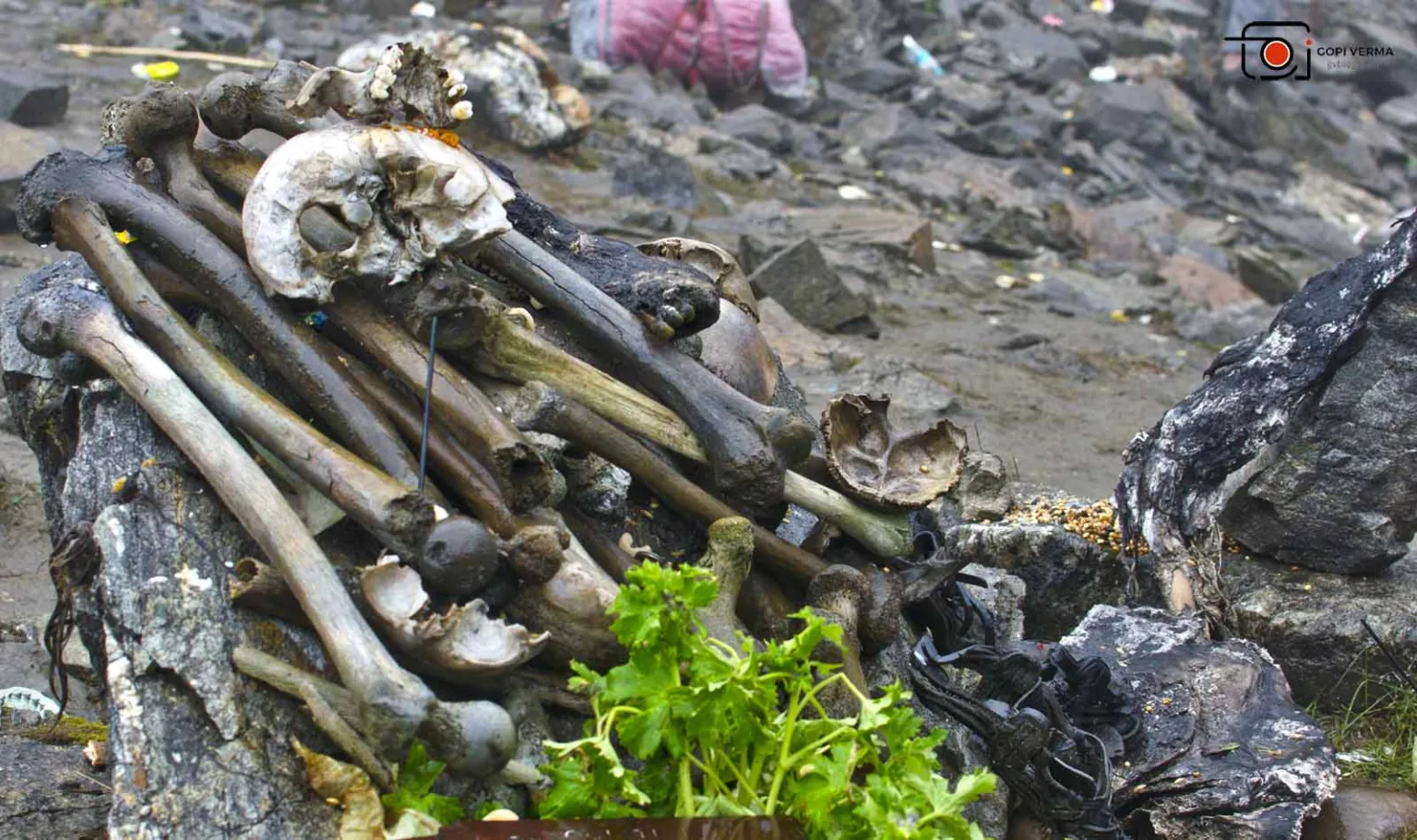
The skeletons were discovered in 1942 by a forest ranger Hari Kishan Madhwal, and since then, researchers and scientists have been trying to unravel the mystery of the Roopkund skeletons. Radiocarbon dating of the main group of skeletons points to around 850 AD, which fits the period of the Nanda Devi Raj Jat Yatra. However, the exact cause of death of these pilgrims remains unknown, and various theories have been proposed over the years.
One theory suggests that the hailstorm was so severe that it caused fatal head injuries to the pilgrims. Another theory suggests that an epidemic or poison might have caused their death. Yet another theory proposes that the pilgrims died due to hypothermia caused by the sudden drop in temperature after the hailstorm.
The skeletons found at Roopkund are believed to belong to a large group of people who died in a tragic event. The exact number of individuals is unknown, but it is estimated that there are between 300 to 600 skeletons. The skeletons are scattered across the lake and the surrounding area, and some of them are well-preserved due to the cold and dry conditions. The skeletons are of different ages and genders, and many of them have distinct physical features such as elongated skulls, indicating that they belonged to different ethnic groups. The skeletons have been studied extensively, and A 2019 ancient-DNA study published in Nature Communications found that most of the individuals had South Asian ancestry, but others did not. While the exact cause of death of the Roopkund skeletons remains unknown, the presence of weapons such as iron spearheads and leather slippers suggests that they were travelers or pilgrims who were on their way to the Nanda Devi shrine. The pilgrim theory is still popular, but it does not explain every skeleton: the same study found a smaller group with Eastern Mediterranean ancestry who died much later, around the 1800s.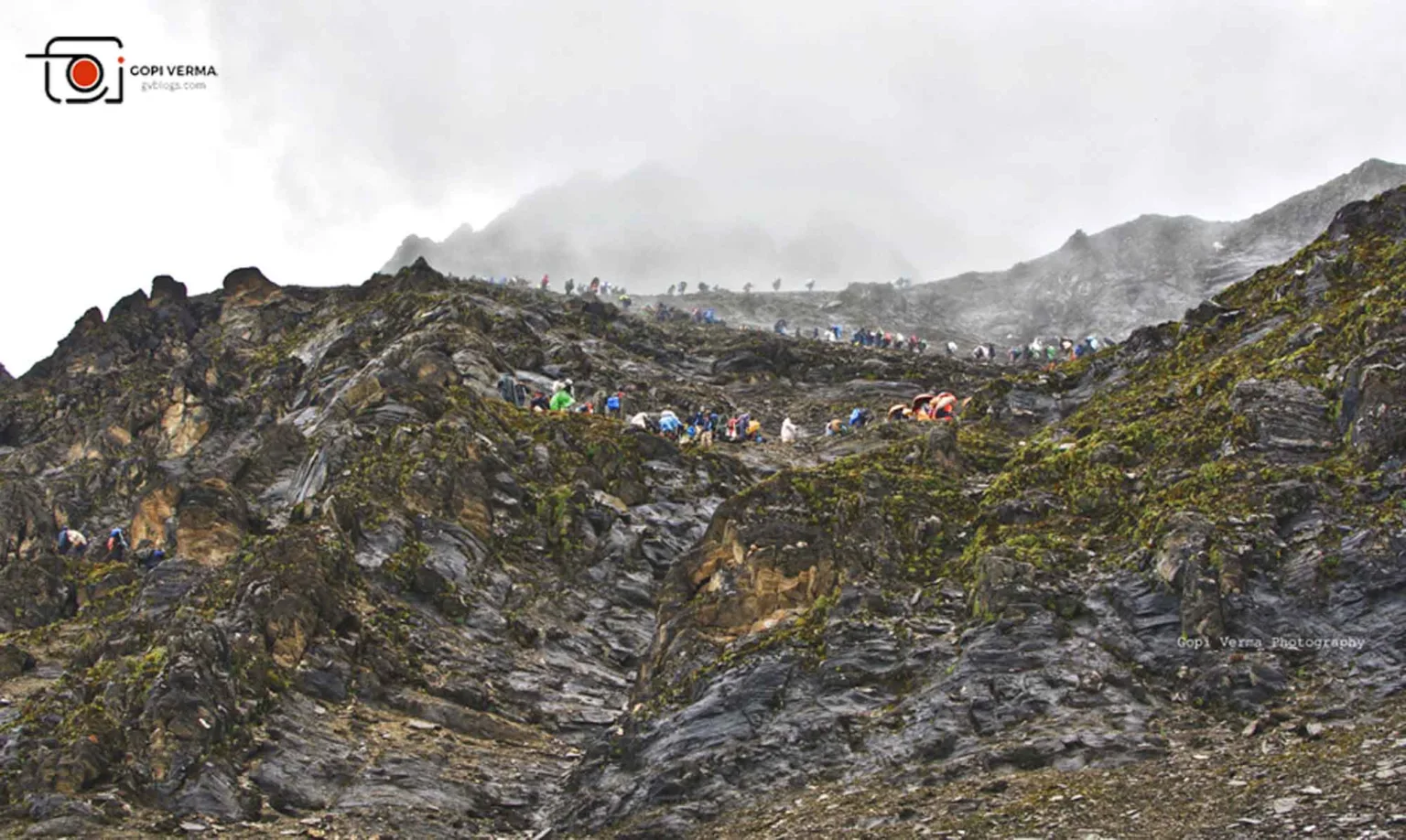
The trek to Roopkund usually starts from Lohajung, which is a small village located at an altitude of 7,700 feet. From there, the trail goes through lush green forests of oak and rhododendron and gradually ascends towards the meadows of Ali and Bedni Bugyal. These meadows are considered to be some of the most beautiful high altitude meadows in the world, with breathtaking views of the surrounding mountains.
After Bedni Bugyal, the trail continues towards the glacial valley of Bhagwabasa, which is located at an altitude of 14,100 feet. From there, it is a steep climb to Roopkund, which is situated at an altitude of 16,500 feet. The final stretch of the trek is challenging and requires careful acclimatization and preparation.
The Roopkund trek is known for its stunning highlights, including Bedni Bugyal and Junargali Pass. Here are some details on each:
Bedni Bugyal: Bedni Bugyal is a high altitude meadow that is famous for its breathtaking views of the Himalayan peaks. The meadow is located at an altitude of 11,500 feet and is considered to be one of the most beautiful high altitude meadows in the world. The trail to Bedni Bugyal passes through dense forests of oak and rhododendron and offers a chance to witness the local flora and fauna. The meadow is also known for its Brahmatal trek, which is another popular trek in the region.
Junargali Pass: Junargali Pass is a high altitude mountain pass that is located at an altitude of about 16,900 feet. It is the highest point of the Roopkund trek and offers stunning views of the surrounding Himalayan peaks, including Trishul and Nanda Ghunti. The pass is a challenging climb and requires a good level of fitness and stamina. However, the view from the top is worth the effort.
The Roopkund lake and its skeletons have become an increasingly popular tourist attraction in recent years. However, this has also raised concerns about the preservation of the skeletons. There have been reports of theft and damage to the skeletons, as well as the loss of some due to natural erosion and other factors. There is growing concern about the regular loss of skeletons and it is feared that, if steps are not taken to conserve them, the skeletons may gradually vanish in the years to come. To address this, the Indian government and local authorities have taken some measures to preserve the site. This includes restricting the number of visitors and establishing guidelines for their behavior around the lake. As visitors, it is important to be responsible and respectful when visiting the Roopkund lake and its surroundings. This includes avoiding any activities that may damage the skeletons or the environment. Visitors should also follow the guidelines and regulations established by the authorities and avoid any unauthorized activities. Ultimately, it is important to remember that the Roopkund skeletons are not just a tourist attraction, but also an important part of history and culture. It is our responsibility to help preserve this unique and fascinating site for future generations to enjoy and learn from. In conclusion, trekking to Roopkund is a unique and unforgettable experience. From the stunning landscapes and breathtaking views to the rich history and culture of the area, there is so much to discover and explore. However, it is important to remember that this trek requires physical endurance and preparation. It is not recommended for inexperienced hikers or those with health issues. Proper planning and equipment are essential to ensure a safe and enjoyable experience. Additionally, as visitors, we must be responsible and respectful towards the environment, the locals, and the historical significance of the Roopkund lake and its skeletons. By following guidelines and regulations, we can help preserve this unique site and ensure its beauty and cultural significance remain for generations to come. Overall, the Roopkund trek is a must-visit destination for adventure seekers, history enthusiasts, and nature lovers alike. It offers an opportunity to immerse oneself in the beauty and wonder of the Himalayas while also exploring the rich cultural history of the region. Reaching Roopkund can be a challenging task, but it is definitely worth the effort. The trek begins from a small village called Lohajung, which is the starting point for most trekkers. Here are some of the most common routes to reach Lohajung: By Air: The nearest airport is Jolly Grant Airport in Dehradun, which is about 269 km away from Lohajung. From there, you can hire a taxi or take a bus to Lohajung. By Train: The nearest railway station is Kathgodam, which is about 217 km away from Lohajung. From there, you can take a taxi or a bus to Lohajung. By Road: Lohajung is well-connected by road and can be easily accessed by buses or taxis from major cities like Delhi, Dehradun, and Haridwar. Watch the video on YouTube