Kedarnath, Uttarakhand
One of the Oldest Temples of Lord Shiva: Kedarnath
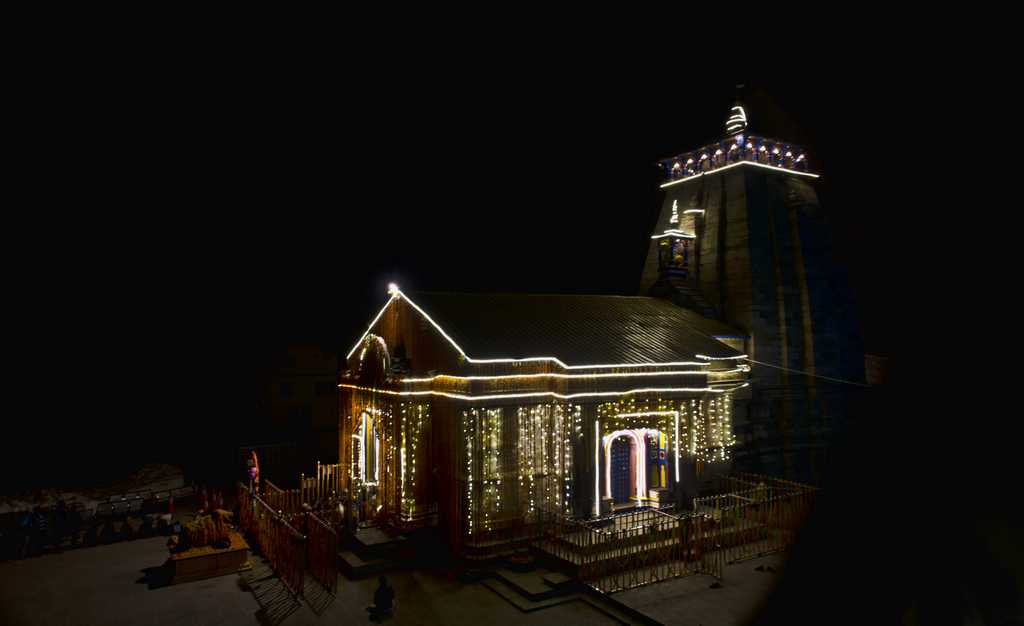
Kedarnath Temple is one of the most revered and ancient Hindu temples located at an altitude of 3,583 meters (11,755 ft) above sea level at Rudraprayag district in the Indian state of Uttarakhand. The temple is dedicated to Lord Shiva, one of the most significant deities in Hinduism. Situated amidst the Himalayan mountain range, the temple is a popular destination for pilgrims and travelers seeking a spiritual journey.
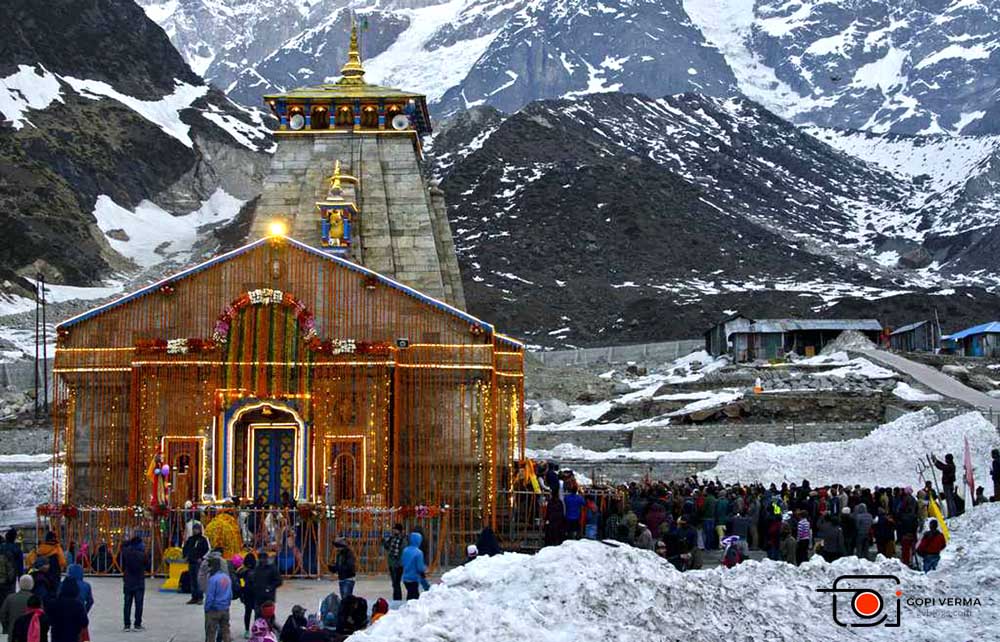
Kedarnath holds immense significance in Hindu mythology. According to legend, it is believed that after the battle of Mahabharata, the Pandavas wanted to seek forgiveness from Lord Shiva for the sins committed during the war. Lord Shiva, however, did not want to meet them and disguised himself as a bull and went into hiding. As soon as Bhima saw the bull, he recognized it as Shiva and grabbed its tail and hind legs but Lord Shiva as a bull disappeared into the ground, leaving behind different body parts that manifested as divine sites in the region.
The first manifestation of Lord Shiva's body part was the hump which appeared in Kedarnath, one of the twelve Jyotirlingas in India. The hump is believed to be the place where Lord Shiva's back manifested and is worshipped as the main deity in the Kedarnath temple.
The second manifestation was Lord Shiva's arms which appeared in Tungnath, the highest Shiva temple in the world. Tungnath is believed to be the place where Lord Shiva's arms manifested and is worshipped as the main deity in the temple.
The third manifestation was Lord Shiva's face which appeared at Rudranath, another important pilgrimage site in the Himalayan region. The Rudranath temple is believed to be the place where Lord Shiva's face manifested and is worshipped as the main deity in the temple.
The fourth manifestation was Lord Shiva's navel and stomach which surfaced in Madhyamaheshwar, another important pilgrimage site in the region. The Madhyamaheshwar temple is believed to be the place where Lord Shiva's navel and stomach manifested and is worshipped as the main deity in the temple.
The fifth and final manifestation was Lord Shiva's hair which appeared in Kalpeshwar, a small village in the Himalayas. The Kalpeshwar temple is believed to be the place where Lord Shiva's hair manifested and is worshipped as the main deity in the temple.
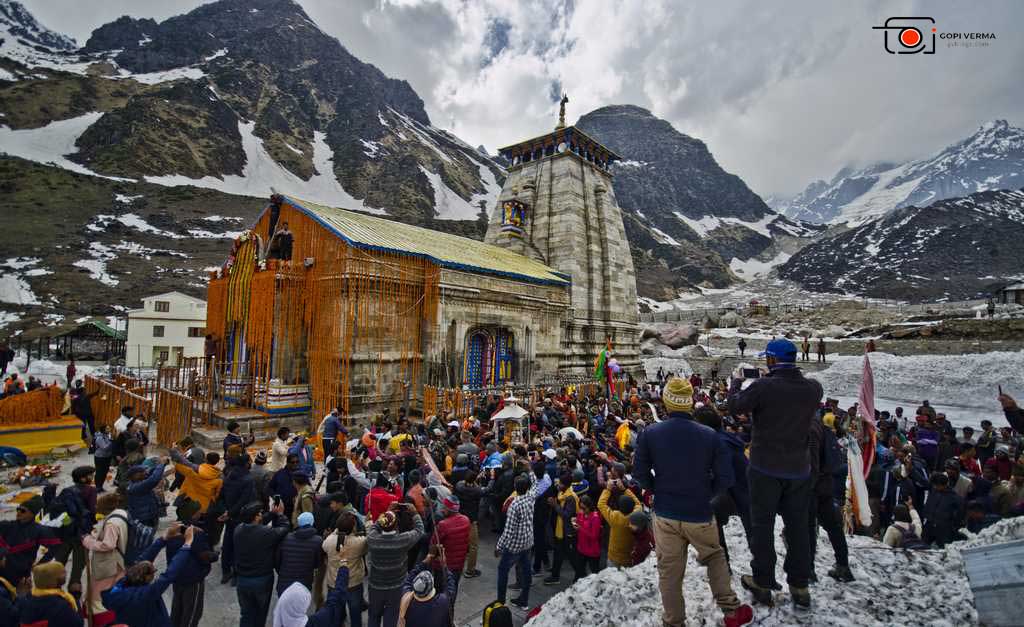
The five sites are collectively known as Panch Kedar and are an important pilgrimage destination for Hindu devotees. The Pandavas found him in Kedarnath and recognized him. They then built the Kedarnath temple at the same spot to worship Lord Shiva and seek his blessings. It is also believed that the temple was once visited by Adi Shankaracharya, a revered Hindu saint, who established the significance of the Char Dham. Today, Kedarnath is regarded as one of the holiest places in Hinduism, and many devotees visit the temple every year to seek the blessings of Lord Shiva.
Kedarnath Temple is one of the twelve Jyotirlingas, which are considered to be the most sacred abodes of Lord Shiva in Hinduism. The temple is also part of the Char Dham Yatra, a pilgrimage circuit that includes three other significant Hindu temples, namely Badrinath, Gangotri, and Yamunotri.
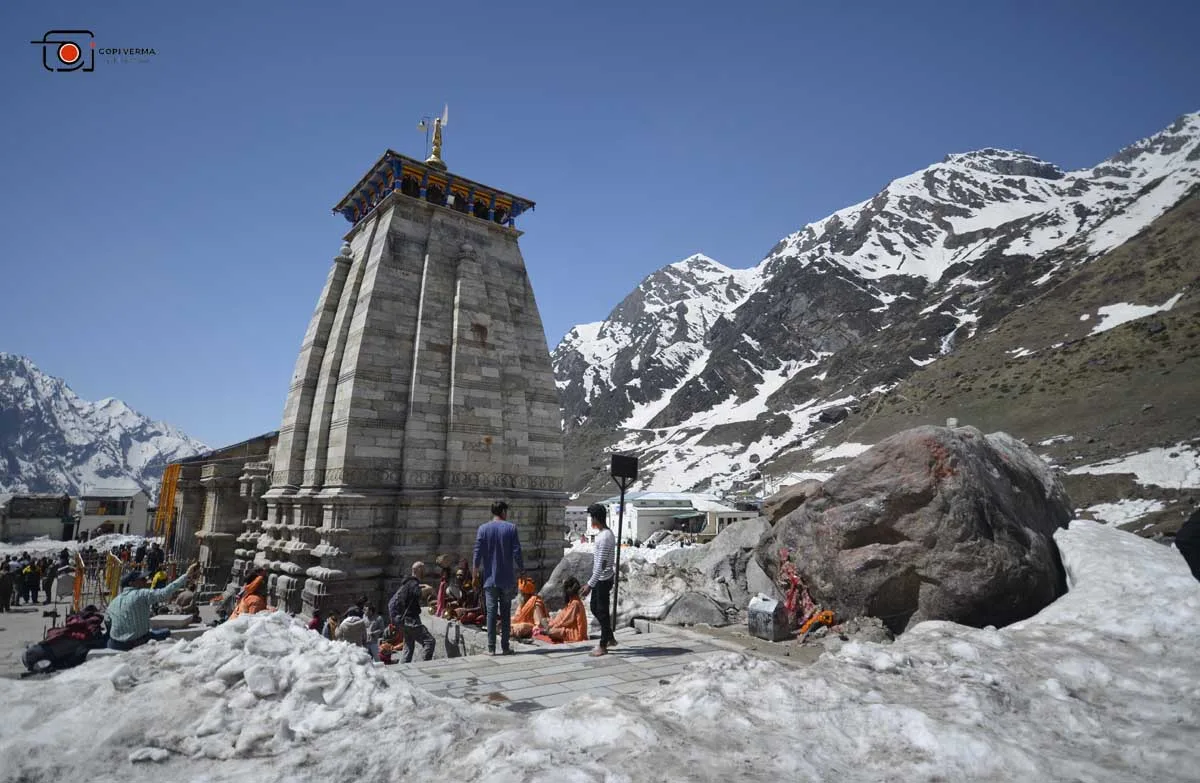
The temple is built in the traditional North Indian style of architecture, with a pyramid-shaped shikhara (tower) and a mandapa (hall). The walls of the temple are adorned with intricate carvings and sculptures depicting various gods and goddesses. The main sanctum of the temple houses a lingam, which is believed to be the form of Lord Shiva worshipped here.
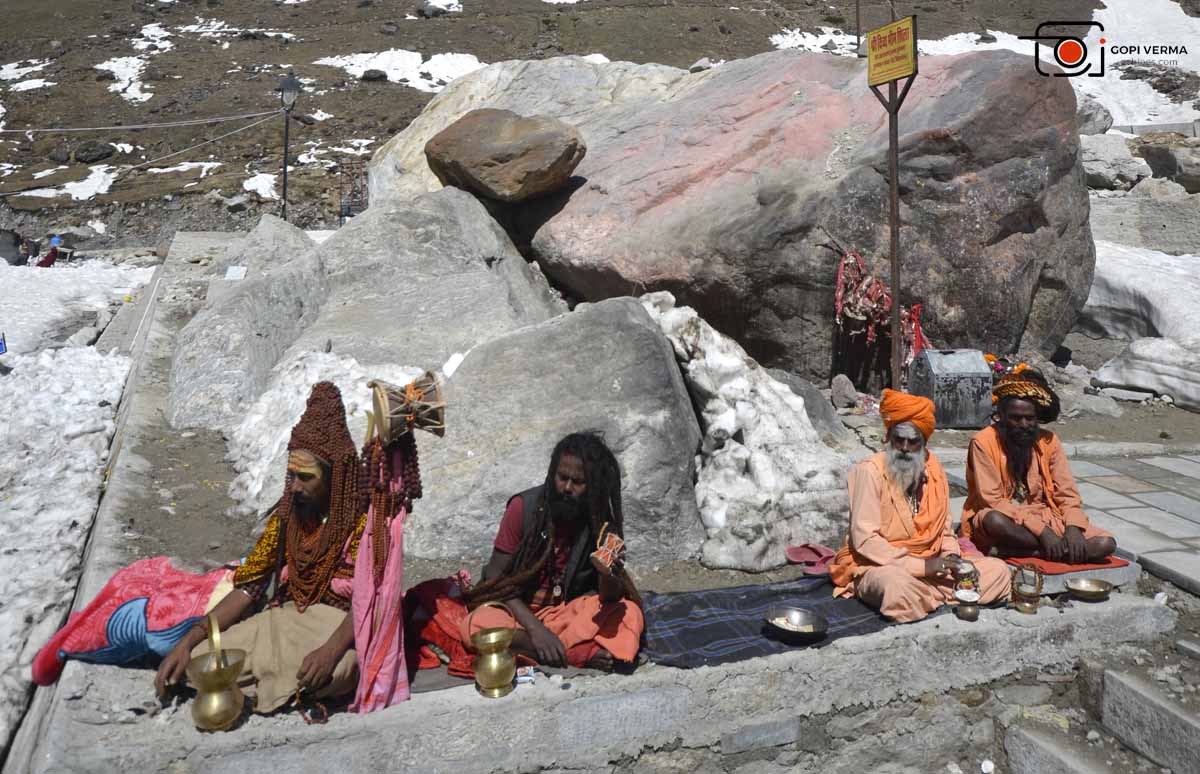
Bhim Shila, the rock located behind the Kedarnath temple, is believed to have played a significant role in protecting the temple during the devastating floods that occurred in 2013. The rock is said to have diverted the flow of the Mandakini River, which had swollen due to the heavy rainfall, away from the temple and towards the surrounding valleys, preventing significant damage to the temple. As a result, the rock is considered a symbol of resilience and strength and is revered by devotees who visit the Kedarnath temple.
The best time to visit Kedarnath is from May to June and from September to November. During these months, the weather is pleasant, and the skies are clear, making it ideal for sightseeing and trekking. The temple is closed during the winter months due to heavy snowfall.