Gopeshwar, Uttarakhand
Gopinath Temple Gopeshwar: A Sacred Haven of Spirituality and History
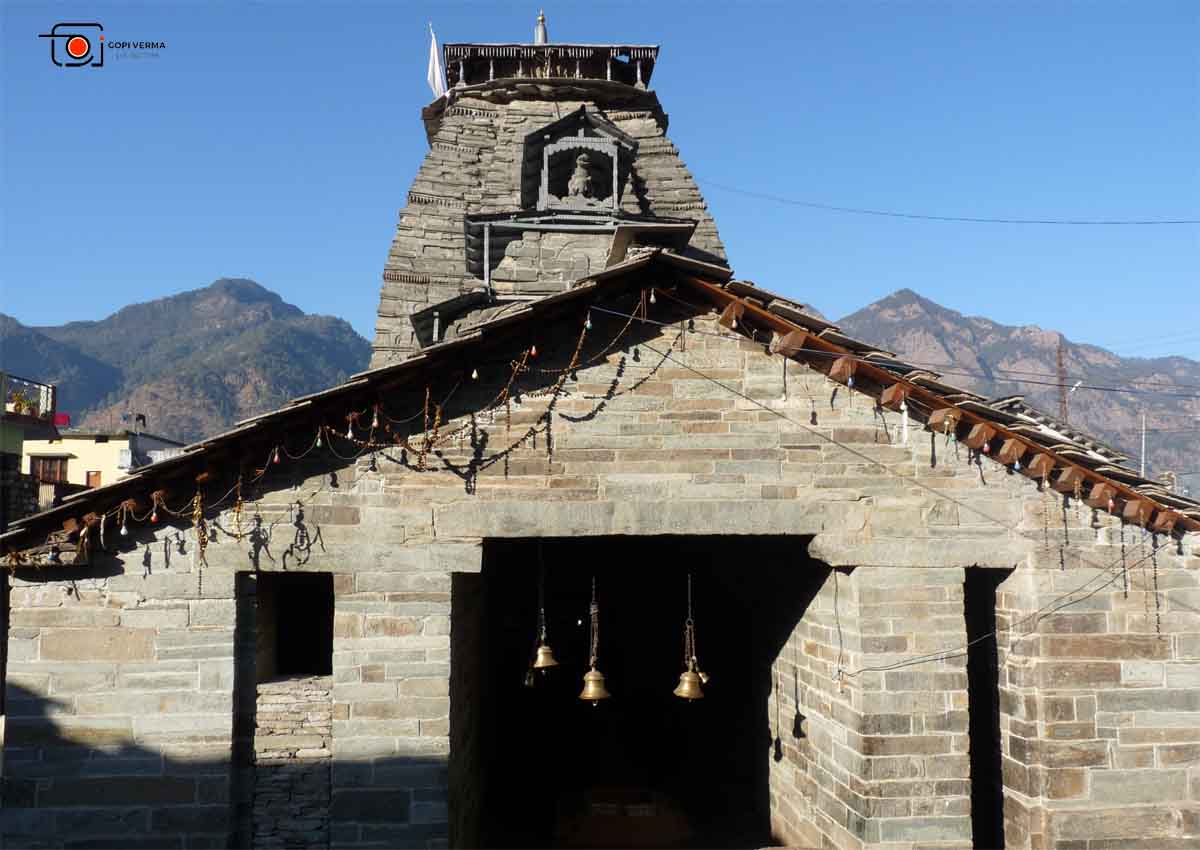
Gopinath Temple Gopeshwar is a revered place of worship situated in the enchanting town of Gopeshwar, nestled in the majestic Himalayan mountains of Uttarakhand, India. This ancient temple holds immense historical significance and is a sanctuary for spiritual seekers and devotees from across the globe.

Gopinath Temple, situated in Gopeshwar of Chamoli District, Uttarakhand, is a renowned ancient temple that is dedicated to Lord Shiva. What sets this temple apart from others is its unique tradition of worship. Unlike other Shiva temples where milk and water are offered to the deity, here only Bilva leaves are used for worshiping the Shiv linga. According to legend, a cow used to pour its milk on the Shiva linga every day in ancient times, which inspired the king of the Katyuri Dynasty to construct the temple at the same site.
The existence of Gopinath Temple in ancient times is substantiated by the remains of broken idols found around the temple. A 5-meter-tall trident made of eight different metals, dating back to the 12th century, can be seen in the temple's courtyard. The temple houses idols of Lord Vishnu, Lord Ganesh, Lord Hanuman, Lord Brahma, Goddess Kali, Saraswati, and Garuda. The temple walls are adorned with images of Lord Bhairav and Lord Narayana. The outer courtyard of the temple has numerous Shiv lings and a Kalpa Vriksha.
The temple's exquisite architecture and spiritual significance make it a must-visit destination for devotees and tourists alike. The temple's peaceful atmosphere and serene surroundings provide a welcome respite from the hustle and bustle of city life. The temple's location amidst the Himalayas adds to its charm and appeal.
If you're planning a trip to Uttarakhand, make sure to visit Gopinath Temple and witness the unique worship tradition that sets it apart from other Shiva temples. The temple's rich history and cultural significance make it a must-visit destination for those interested in Indian spirituality and architecture.

The history of Gopinath Temple
The history of Gopinath Temple dates back to the rule of the Katyuri dynasty, which ruled the region from about the 7th to the 12th century. This magnificent temple stands as a testament to their architectural prowess and deep devotion. The temple's unique and intricate architecture sets it apart from others in the region.
The Gopinath Temple showcases a marvelous dome and a sanctum sanctorum that is adorned with 24 doors. Within the sanctum, devotees can witness the presence of a Swayambhu, a self-manifested Shiv linga, known as Gopinath, along with a Nandi, the sacred bull, facing the deity. These divine manifestations evoke a sense of awe and reverence among the devotees who visit this sacred place.
Exploring the temple premises, one can find partially broken idols, providing evidence of the existence of other smaller temples in the vicinity in ancient times. These remnants serve as a reminder of the rich historical and cultural significance associated with the temple complex.
The main temple follows the Nagara style of architecture, characterized by its towering spire and intricate carvings. This style is prevalent in North India and showcases the skillful craftsmanship of the artisans of that era. The intricate detailing and ornate decorations of the temple's structure are a visual delight for visitors, offering a glimpse into the architectural grandeur of the past.
Gopinath Temple stands as a living testament to the rich heritage and religious fervor of the region. Its historical significance, architectural beauty, and spiritual ambiance make it a cherished destination for devotees, history enthusiasts, and seekers of divine blessings alike.
Legends
According to the legends associated with Gopinath Temple, there are several fascinating stories that have been passed down through generations:
One popular legend narrates the origin of the divine trident found in the temple. It is believed that the trident belonged to Lord Shiva, who hurled it at Kamadeva, the God of Love, to vanquish him. Instead of hitting Kamadeva, the trident got fixed at the present location of the temple. Remarkably, the metal of the trident has withstood the test of time without being corroded by the elements. It is believed that while no external force can move this divine trident, even the slightest touch from a true and sincere devotee can cause it to tremble, signifying the profound connection between the divine and the faithful.
Also read about Vishwanath Temple Guptkashi
Another captivating legend tells the story of Rati, the wife of Kamadeva. After Lord Shiva turned Kamadeva into ashes, Rati performed intense penance at Gopeshwar. Impressed by her unwavering devotion, Lord Shiva appeared before her at Gopeshwar and granted her a boon. He blessed her with the assurance that her husband would be reborn, ensuring the eventual reunion of the divine couple.
These legends, interwoven with divine grace and devotion, add to the mystical allure of Gopinath Temple. They provide a glimpse into the rich mythological tapestry that surrounds this sacred place, captivating the hearts and minds of those who visit and allowing them to connect with the deep-rooted spiritual legacy of the temple.

Winter Shrine of Lord Rudranath
Gopinath Temple serves as the winter shrine of Lord Rudranath, one of the Panch Kedars, located in Uttarakhand, India. During the winter months, when the harsh weather conditions make it inaccessible to visit the main Rudranath temple, devotees pay their respects to Lord Rudranath at the Gopinath Temple.
As the snow blankets the higher altitudes and the treacherous terrain makes the pilgrimage to Rudranath challenging, the divine energy and presence of Lord Rudranath are believed to shift to the Gopinath Temple. This temporary abode allows devotees to continue their devotion and seek the blessings of Lord Rudranath even during the winter season when the original temple remains inaccessible.
The Gopinath Temple, situated in Gopeshwar, Uttarakhand, becomes a sacred place of worship during this time. Devotees undertake the journey to Gopinath Temple, braving the cold and the rugged terrain, to connect with the divine and experience the spiritual aura that engulfs the shrine.
Within the walls of Gopinath Temple, devotees offer their prayers and perform rituals, invoking the presence of Lord Rudranath. The temple becomes a hub of devotion, drawing pilgrims from far and wide, who gather to express their unwavering faith and seek the blessings of Lord Rudranath.
The significance of Gopinath Temple as the winter shrine of Lord Rudranath highlights the deep-rooted spiritual beliefs and traditions that have been passed down through generations. It exemplifies the devotion of the pilgrims who undertake this challenging journey, driven by their unwavering faith and their desire to connect with the divine essence of Lord Rudranath.
Visiting the Gopinath Temple during the winter season provides a unique opportunity to witness the amalgamation of faith, nature, and spirituality. It allows devotees to experience the divine presence of Lord Rudranath in a setting that embraces the beauty of the surrounding winter landscape.
For those who are not just pilgrims but also avid travelers, Gopinath Temple offers a unique opportunity to explore the mesmerizing Himalayan region. The town of Gopeshwar is blessed with breathtaking views of snow-capped peaks, lush green valleys, and glistening rivers. Travelers can indulge in trekking expeditions, nature walks, and camping adventures in the vicinity of the temple, immersing themselves in the natural splendor of the Himalayas.
Conclusion
Gopinath Temple Gopeshwar stands as a remarkable testament to India's rich cultural heritage and spiritual legacy. With its captivating architecture, sacred rituals, and serene ambiance, the temple provides a transformative experience for both devotees and travelers alike. It serves as a spiritual haven, inviting seekers to connect with the divine and find solace amidst the awe-inspiring beauty of the Himalayas.
Visiting Gopinath Temple Gopeshwar is an opportunity to embark on a soul-stirring journey, where history, spirituality, and natural splendor converge. Whether one seeks divine blessings, seeks inner peace, or simply admires architectural marvels, Gopinath Temple offers an experience that is both enchanting and enlightening.
How do I reach Gopinath Temple
Gopeshwar is well-connected to major cities and towns in Uttarakhand. Here are some common modes of transportation to reach Gopinath Temple Gopeshwar:
By Air: The nearest airport is Jolly Grant Airport in Dehradun, which is approximately 222 kilometers away from Gopeshwar. From the airport, you can hire a taxi or take a bus to reach Gopeshwar.
By Train: The nearest railway station is Rishikesh Railway Station, located about 205 kilometers away from Gopeshwar. From Rishikesh, you can avail of local transport options like buses or taxis to reach Gopeshwar.
By Road: Gopeshwar is well-connected by road to various cities in Uttarakhand. Regular bus services operate from cities like Rishikesh, Haridwar, and Dehradun to Gopeshwar. You can also hire a taxi or drive in your own vehicle to reach the temple.
It is advisable to check the current transport schedules and road conditions before planning your visit to Gopinath Temple Gopeshwar.
Watch the video on YouTube