Kathmandu, Nepal
Pashupatinath Temple: Unveiling the Mysteries and Marvels of Nepal's Most Sacred Site
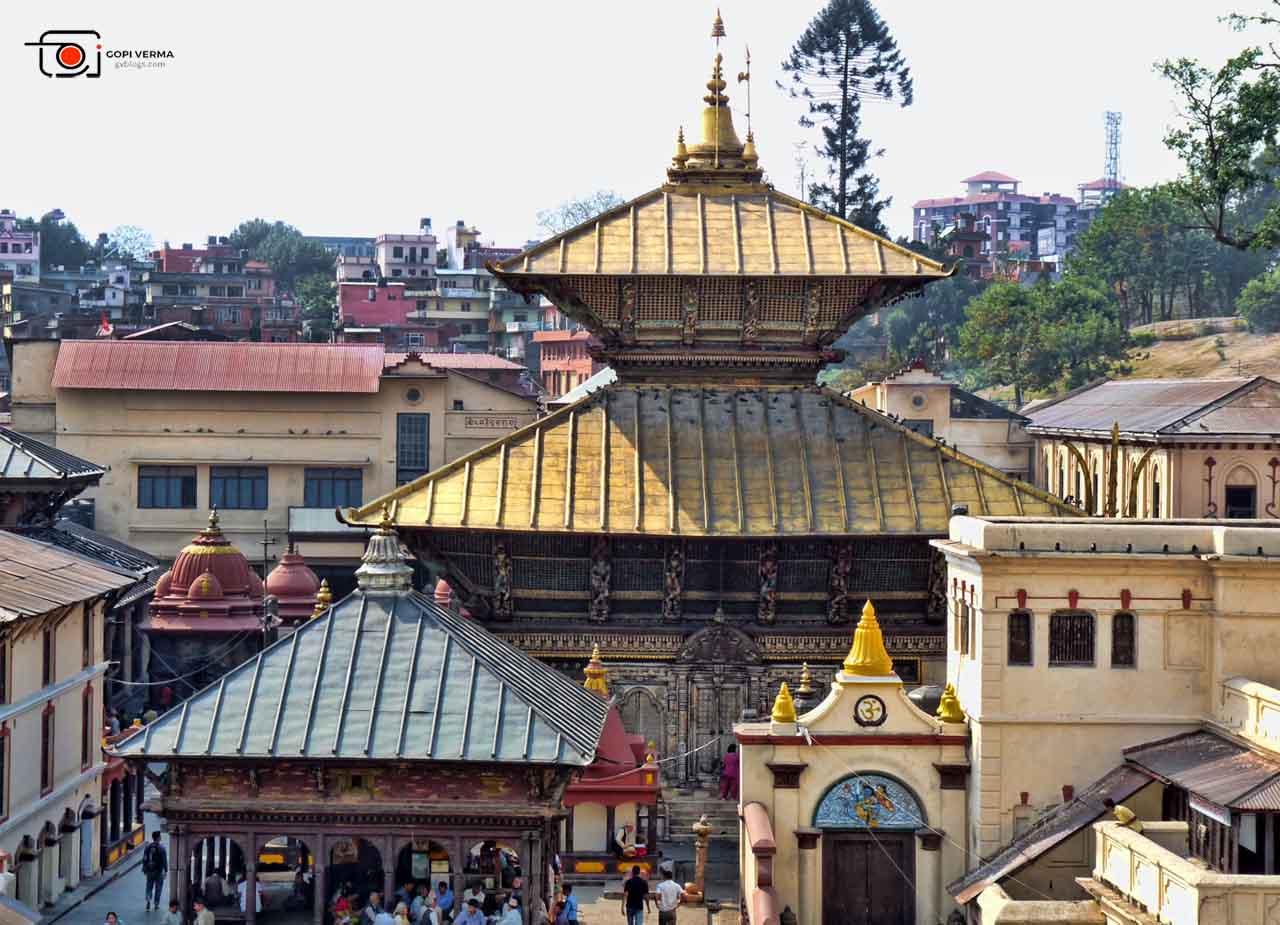
Pashupatinath is one of the most significant and revered Hindu temples in the world. It is located in the city of Kathmandu, Nepal and is dedicated to Lord Shiva. The temple is renowned for its beauty, cultural significance, and spiritual importance, attracting visitors from across the globe who seek to experience its profound spiritual energy.
History and Significance of Pashupatinath Temple
Pashupatinath is considered the guardian deity of Nepal and is believed to be the patron of all Nepalese. The temple holds immense spiritual significance for Hindus worldwide, and it is believed that a visit to Pashupatinath Temple can grant salvation or moksha.
According to Hindu mythology, Pashupatinath Temple was constructed in the 5th century AD by a Lichhavi king named Prachanda Dev. However, the legend of the temple dates back much further. It is said that Lord Shiva once appeared in the form of a deer in the forest of Kathmandu Valley. When the local inhabitants discovered the deer, they chased it into a cave where Lord Shiva revealed his true form. The cave eventually became the location of Pashupatinath Temple.
Another legend tells of a cow who would routinely visit the spot where the temple now stands and would pour milk on a nearby rock. The cowherd who discovered this miraculous occurrence began to worship the rock as Lord Shiva, and the temple was later built around the rock.
Regardless of its origins, Pashupatinath Temple remains a deeply significant site for Hindus around the world, and its rich history and legends continue to captivate visitors to this day.
Architecture and Design of Pashupatinath Temple
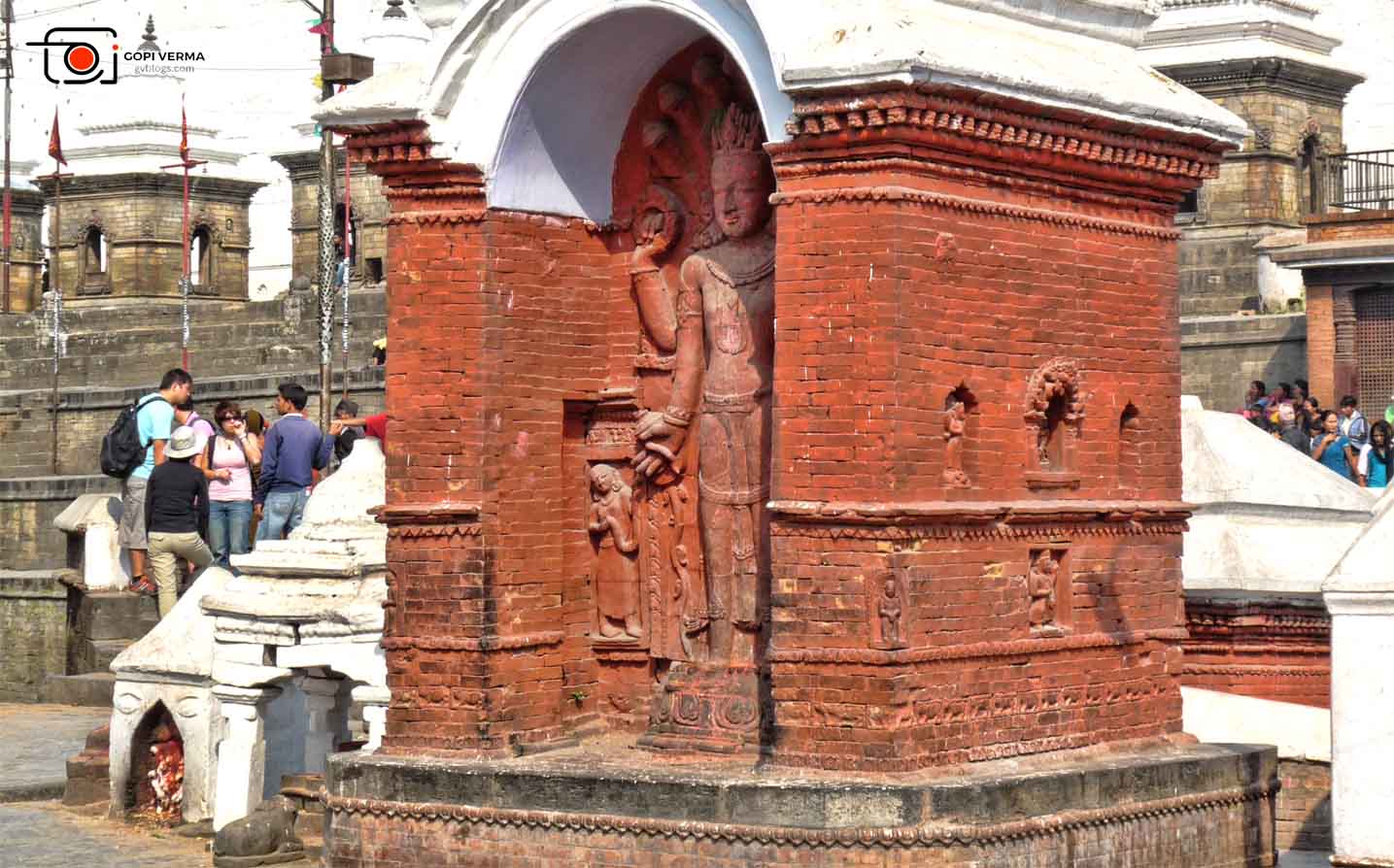
The Pashupatinath Temple complex is spread over 246 hectares and consists of 518 temples and monuments. The temple's architecture is a blend of Nepalese pagoda-style architecture and Indian Dravidian temple architecture.
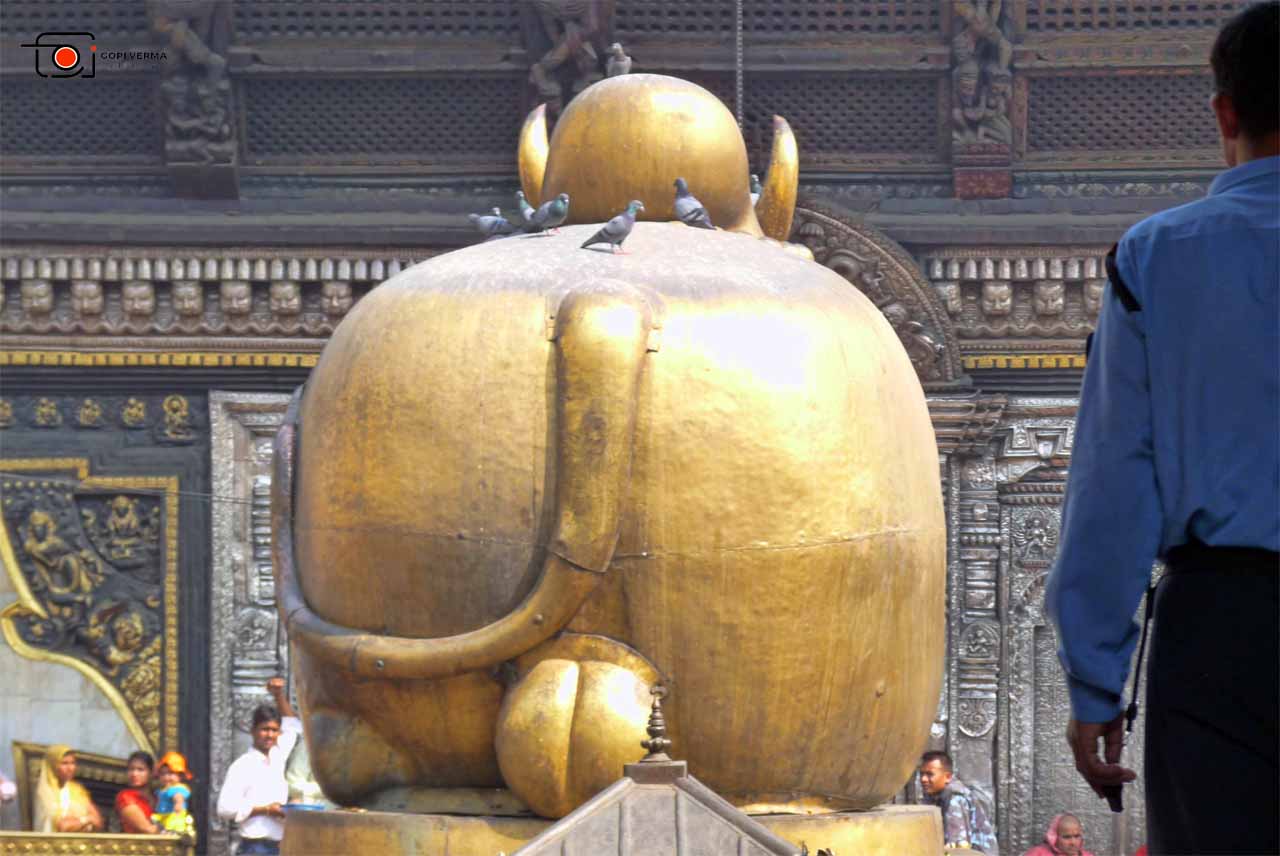
At the entrance of Pashupatinath Temple stands a large bronze statue of Nandi, the sacred bull who is believed to be the vehicle of Lord Shiva. According to Hindu mythology, Nandi is also considered a gatekeeper to the abode of Lord Shiva and is often depicted as a symbol of strength, obedience, and fertility.
The statue of Nandi at Pashupatinath Temple is an impressive sight to behold. It measures 3.6 meters in height and 4.5 meters in length, and is adorned with intricate carvings and decorations. Visitors to the temple often offer worship and prayers to Nandi before entering the main temple, as a sign of respect and reverence.
The Main Shrine
The main shrine of Pashupatinath Temple houses the lingam, a phallic symbol representing Lord Shiva. At Pashupatinath temple in Nepal, the lingam have four faces, each facing a different direction, and a fifth face etched on the top of the lingam looking upwards.
The Deity
Pashupatinath is considered an incarnation of Lord Shiva, one of the Hindu trinity of gods. He is also known as the Lord of Animals, and his manifestation in Pashupatinath Temple is worshipped by millions of devotees worldwide.
The Pashupati Area
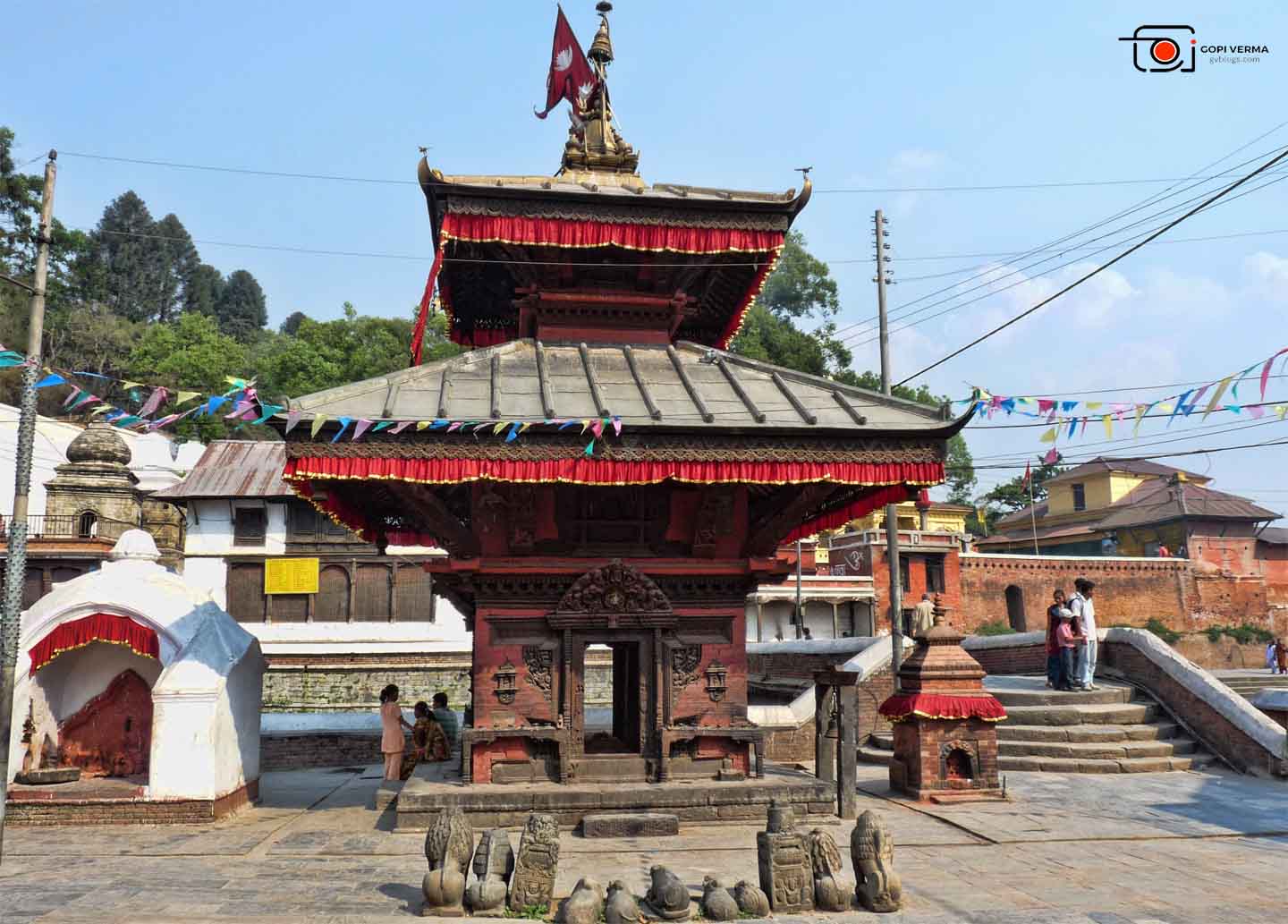
The Pashupati area is an extensive complex surrounding the main temple, consisting of several smaller shrines, ashrams, and meditation centers. The area is also home to several sadhus, ascetics who have renounced worldly pleasures in pursuit of spiritual enlightenment.
Arya Ghat
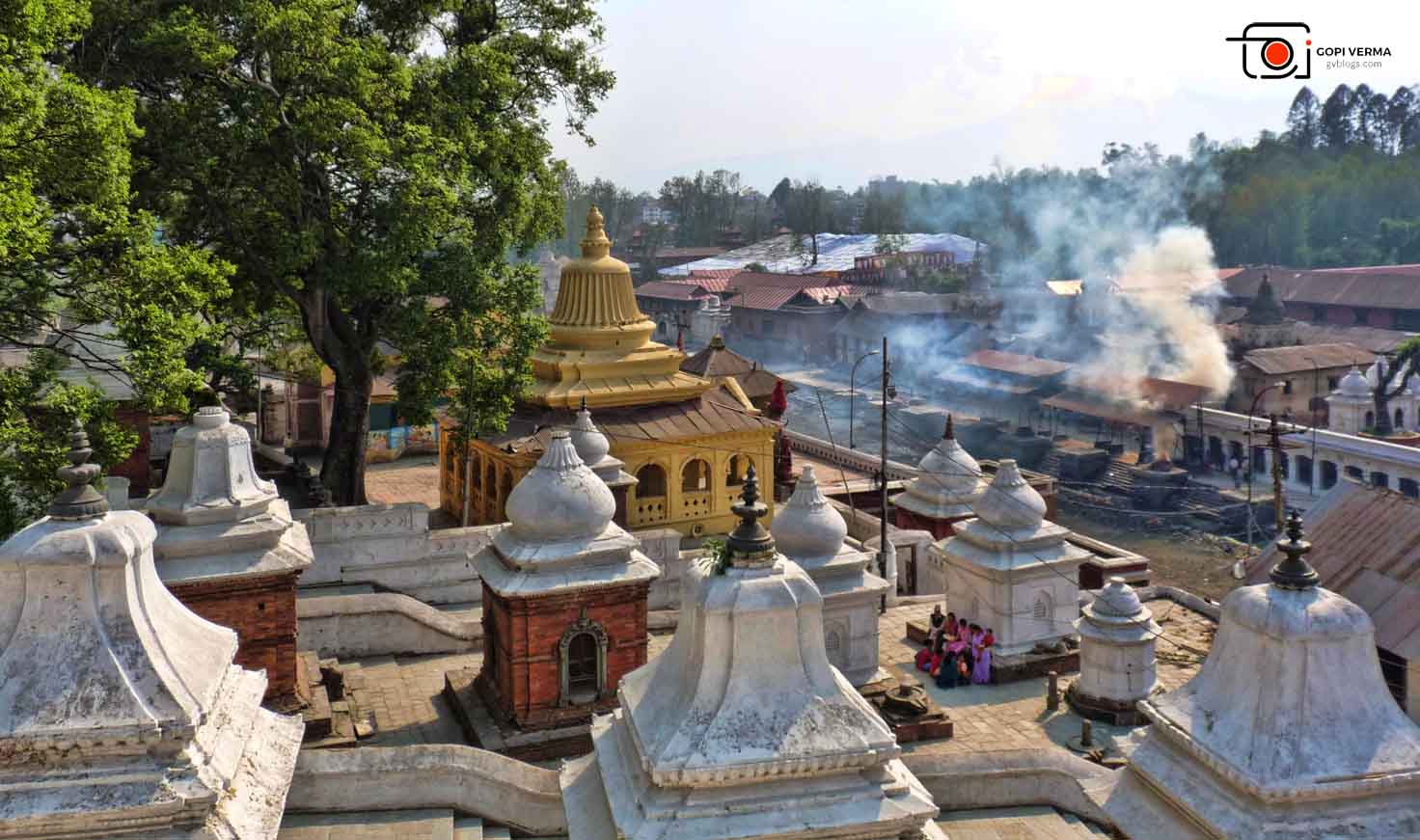
At the Arya Ghat in Pashupatinath, the bodies of deceased Hindus are brought to be cremated according to traditional Hindu customs and beliefs. It is considered a sacred and holy place, where the soul of the departed can be released from the cycle of rebirth and attain liberation.
Festivals Celebrated at Pashupatinath Temple
Pashupatinath Temple is the center of many Hindu festivals, including Maha Shivaratri, Teej, and Bala Chaturdashi. During these festivals, the temple and its surrounding areas are decorated with lights and flowers, and the devotees participate in elaborate rituals and ceremonies.
The Pashupatinath Aarati
The Pashupatinath Aarati is a daily ritual performed by the temple priests at sunset. During this ceremony, the priests offer incense, flowers, and lamps to Lord Shiva while chanting mantras and devotional songs. The aarati is a breathtaking spectacle, and devotees gather to witness the ritual, which is believed to bring good luck and blessings.
Also read about shri Kedarnath
The Pashupatinath Bagmati Ganga Aarati
The Bagmati Ganga Aarati is another significant ritual performed at Pashupatinath Temple. It is held at the banks of the Bagmati River, which flows alongside the temple. The aarati is performed to honor the river, which is considered sacred by Hindus. The ceremony involves offering flowers, incense, and lamps to the river while chanting mantras and devotional songs.
Visiting Hours and Timings
Pashupatinath Temple is open to visitors from 4:00 am to 7:00 pm every day. Visitors to Pashupatinath Temple must adhere to certain rules and regulations, such as removing shoes before entering the temple complex and respecting the sanctity of the temple. Non-Hindus are not allowed to enter the main shrine, but they are welcome to explore the rest of the temple complex and observe the rituals and ceremonies. Photography is strictly prohibited inside the temple premises.
Dress Code and Entry Fees
Visitors to Pashupatinath Temple are required to dress modestly and cover their heads before entering the temple. There is no entry fee to visit the temple, but donations are welcome.
Conclusion
Pashupatinath Temple is a significant pilgrimage site for Hindus worldwide, and it holds immense spiritual and cultural significance for the people of Nepal. The temple's rich history, breathtaking architecture, and elaborate rituals make it a must-visit destination for anyone interested in Hinduism and spirituality.
How to Reach Pashupatinath Temple
Pashupatinath Temple is located in the heart of Kathmandu and is easily accessible by road. The nearest airport is Tribhuvan International Airport, which is around 5 km away from the temple. You can also take a taxi or a local bus from the city center to reach the temple.
Watch the video on YouTube